March 1, 2023
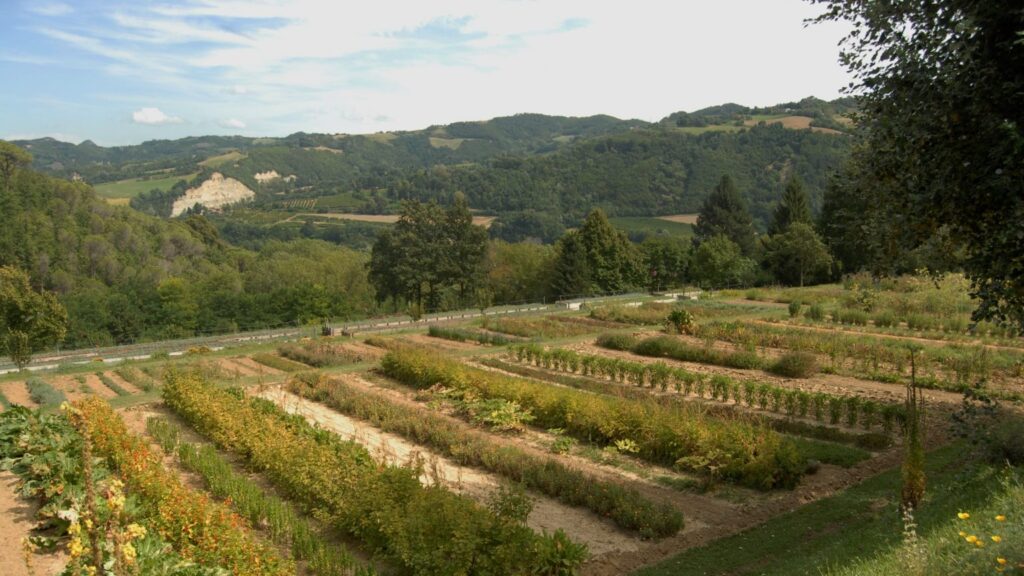
Casola, the town of herbs in the green Senio Valley, a land of scents and aromas where the senses rediscover forgotten pleasures and where the spirit is lulled by the rustle of leaves and the sounds of a friendly nature, offers visitors a unique holiday away from city stress in a relaxing and rejuvenating atmosphere.
It is in this small town in the Faenza hinterland that, since 1938, thanks to the patient work of Augusto Rinaldi Ceroni, medicinal plants have been cultivated for experimentation, an activity that led to the inauguration of the “Giardino delle Erbe” (Herb Garden) in 1975. This garden collects about 480 species of medicinal plants used in cooking, medicine, and cosmetics since the late Middle Ages, when they were processed in monastery workshops.
Walking along the various paths of the garden in summer, you can admire the blooms of absinthe (a bitter-tasting plant used in liqueurs), St. John’s wort (with antiseptic, astringent, and healing properties), oregano (“splendour of the mountain,” used as an antispasmodic and flavouring), meadowsweet (an effective diuretic with a pleasant smell), savory (an excellent digestive and seasoning widely used in Mediterranean cuisine), and rhubarb (a flavouring native to the mountains of Tibet and China). But the eyes will surely find satisfaction walking along the “Road of Lavender,” letting themselves be carried away by the delicate scent of this plant’s inflorescences – the true queen of these lands, which has become a symbol of Casola, to which the “Notte Viola” (Purple Night) is dedicated. This event is held at the end of June with markets, musical corners, exhibitions, workshops, as well as good food and themed lighting to create the right atmosphere.
The passion for medicinal plants gave rise to the “Mercatino Serale delle Erbe” (Evening Herb Market), which takes place every Friday in summer along the streets of the historic center, animated by numerous stalls selling herbalist products, phytotherapy, and phyto-cosmetics. During these evenings, meetings with experts are generally organized, addressing topics related to the properties and uses of aromatic plants.
Among the events that have long characterized this town, “Casola è una Favola” (Casola is a Fairy Tale) stands out, also in summer. It is a children’s theater festival born in 1982 under the direction of the Compagnia Accademia Perduta, set against the legendary world of the woods of the Senio Valley, animated by gnomes, witches, and other fantastic beings that populate the local fairy tales.
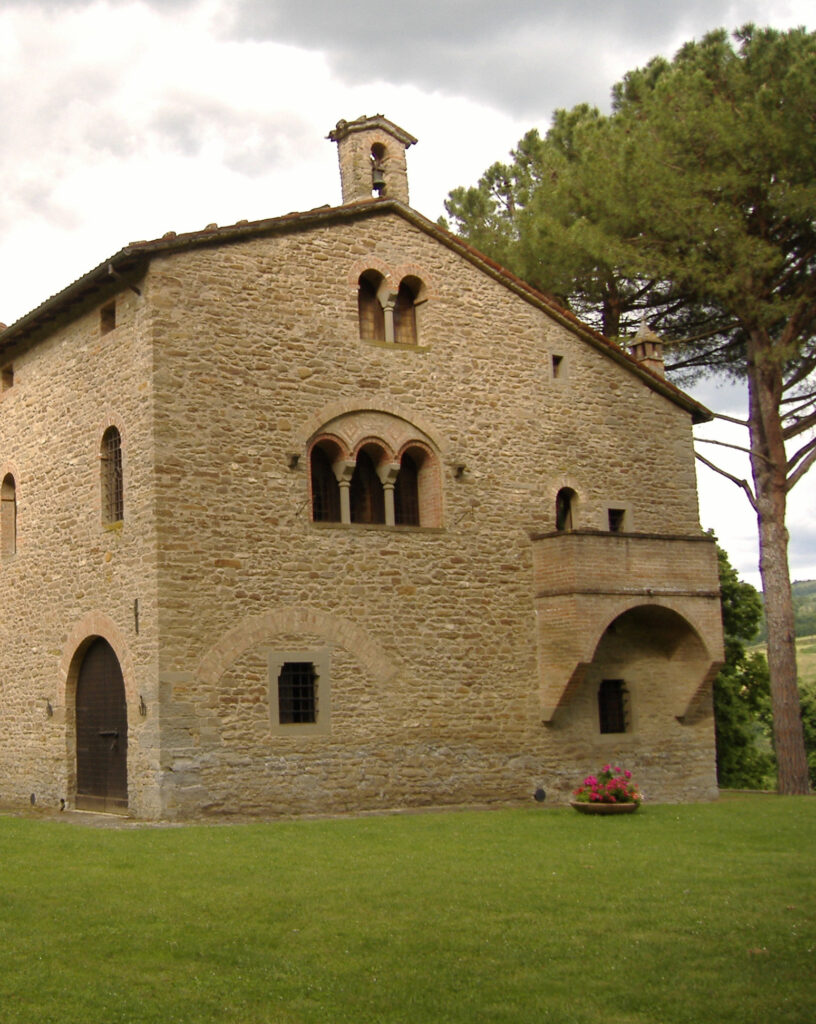
Among the places certainly worth a visit is “Il Cardello,” a unique building dating back to the 11th century, which for a long period served as the guesthouse of the Benedictine Abbey of Valsenio, scarcely recognizable today in its true essence due to various modifications over time. Having become the permanent residence of the Oriani family in 1855, this building underwent heavy restoration that altered its ancient style, although it remains an austere and evocative testimony of past centuries. Today it constitutes a rare example of a Romagna noble residence and houses, in addition to antique furniture, about 600 volumes from the personal library of Alfredo Oriani, a writer who spent almost his entire life here. In the attic, the bicycle is preserved with which Oriani, considered the first randonneur in history, undertook in 1897 a long solitary journey between Romagna and Tuscany that inspired his story “La bicicletta,” published in 1902. Once again, nature reigns supreme in this place. The Cardello, in fact, is immersed in a centuries-old park, boasting thirty thousand plants, recognized as being of significant public interest by the Ministry for Cultural and Environmental Heritage. It is worth pausing for a moment near the multi-centennial cypress tree mutilated by lightning to observe the stone pines, maritime pines, oaks, holm oaks, and cedars – a relief for the eyes and the soul.
Not far away, towards Riolo Terme, you find the Abbey of Valsenio, founded by Benedictine monks around the year 1000 and considered the first inhabited nucleus of the Senio Valley. The facade of the church, in Romanesque style, has been recovered from the plastering that had totally disfigured it, while the interior still shows the effects of manipulations over the centuries. The church was the subject of an excavation campaign in 2009, which brought to light the original crypt, dating back to the 7th century, found beneath the current apse, whose pavement is made of limestone slabs. The original access staircase to the crypt, the ancient olive press of the Benedictine monks made of red Verona marble, and a Byzantine-era marble slab depicting an interlaced cross upon which two small birds are perched were also partially uncovered.
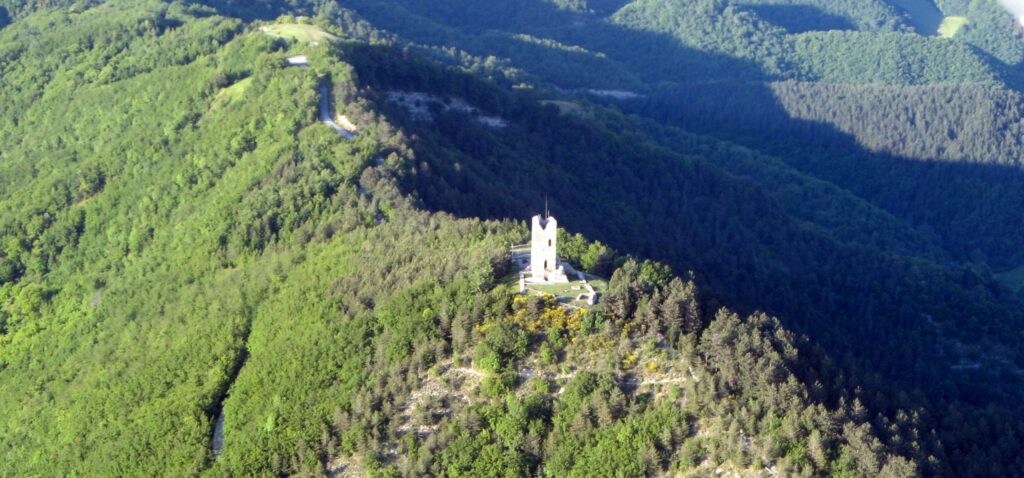
Moving away from Casola, after San Ruffillo, you reach Monte Battaglia, a 715-meter hill that has been the focal point of every military system for controlling and defending the Senio and Santerno valleys and the plain between Imola and Faenza. At the top stands a fortress, for centuries a contested defensive stronghold. To commemorate its importance during the Second World War, a bronze monument by the sculptor Aldo Rontini was created, inaugurated in 1988, dedicated to the Resistance, Liberation, and peace among peoples, representing David against Goliath – the victory of the ideals of freedom over the brute force of repression. Here it is possible to walk the “Path of Peace,” a symbol of coexistence in peace and freedom, of mutual understanding and tolerance in Europe.
Article published on piunotizie.it.
Share